
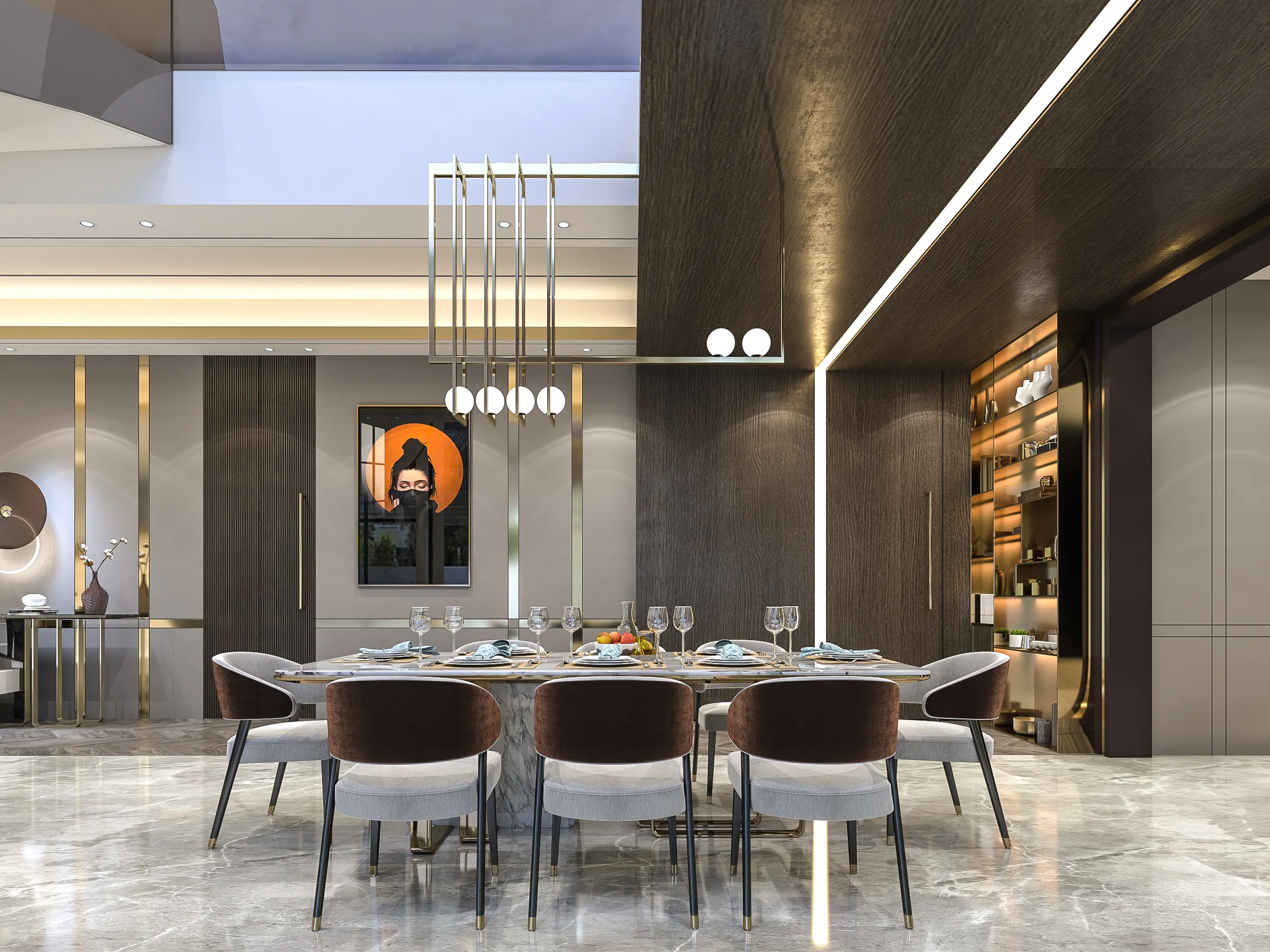
Wabi-Sabi Interior Design Malaysia
Wabi-sabi is a Japanese philosophy that finds beauty in imperfection, natural ageing and simplicity. Think textured walls, timber with visible grain, handmade ceramics and a muted, earthy palette. We design wabi-sabi-inspired homes across KL and Selangor for homeowners who prefer texture, warmth and character over a perfect showroom finish.
Send us photos of the space, your property type and the textures or tones you're drawn to. We'll help translate that into a workable palette, finishes and a realistic renovation scope.
Beauty in the imperfect and the worn.
At its heart, wabi-sabi is about finding beauty in simplicity, age and imperfection. It describes a home that doesn't try to look brand new or flawless — it makes room for texture, natural variation and materials that show what they're made of.
In practice, you might see lime plaster instead of a perfectly smooth painted wall, timber with visible grain rather than uniform laminate, and handmade ceramics instead of matching decor sets. Keep the overall palette warm and earthy; the walls and surfaces don't need to match exactly.
Wabi-sabi works across property types in KL and Selangor, from a single textured feature wall in a condo living room to a full material palette carried through a landed home.
For a broader look at how wabi-sabi compares with other approaches, see our interior design styles guide, or compare it directly with Japandi interior design.
Six wabi-sabi design ideas worth testing
You usually get a better result by focusing on the materials first, rather than adding more decor.
Let one wall carry the texture
A single textured lime-plaster or microcement wall is often enough to set the tone without overwhelming the rest of the room.
Mix raw timber with a smooth counterpart
A reclaimed or live-edge timber piece usually works better next to a simpler surface — stone, plaster or a plain floor.
Choose handmade over uniform
A hand-thrown bowl or an uneven ceramic vase does more for the look than a matching decor set ever will.
Keep the palette warm and muted
Sand, clay, warm grey and soft brown tones hold the wabi-sabi look together — bright white or cool grey tends to fight it.
Ground the room with one solid piece
A heavy timber table or stone bench gives the room enough visual weight so the more delicate, imperfect textures don't feel unfinished.
Leave some visual quiet
Empty wall space and uncluttered surfaces let the texture and material choices stay the focus, rather than competing with more decor.
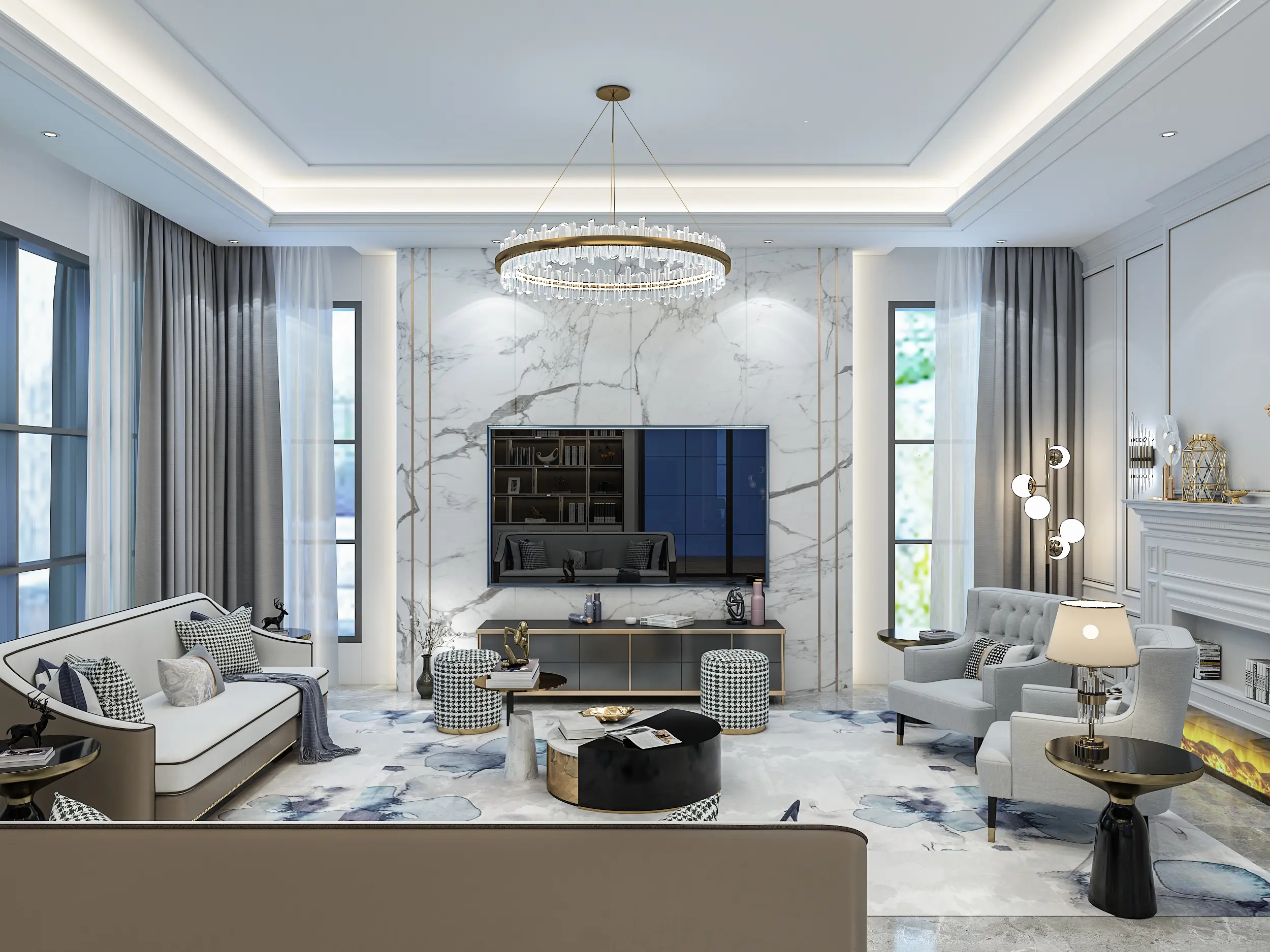
Where wabi-sabi shows up most
The style translates a little differently depending on the room.
Living and dining
A textured feature wall, a heavy timber table and linen upholstery usually set the tone for the rest of the home.
Kitchen
Earthy plaster surfaces, stone countertops and matte, unlacquered cabinet fronts keep the kitchen feeling grounded and calm.
Bedroom
Natural fibre bedding, a reclaimed timber side table and a soft, muted palette bring the style into a restful space.
Bathroom
Natural stone, a textured plaster feature and simple, unfussy fittings continue the same material language in the bathroom.
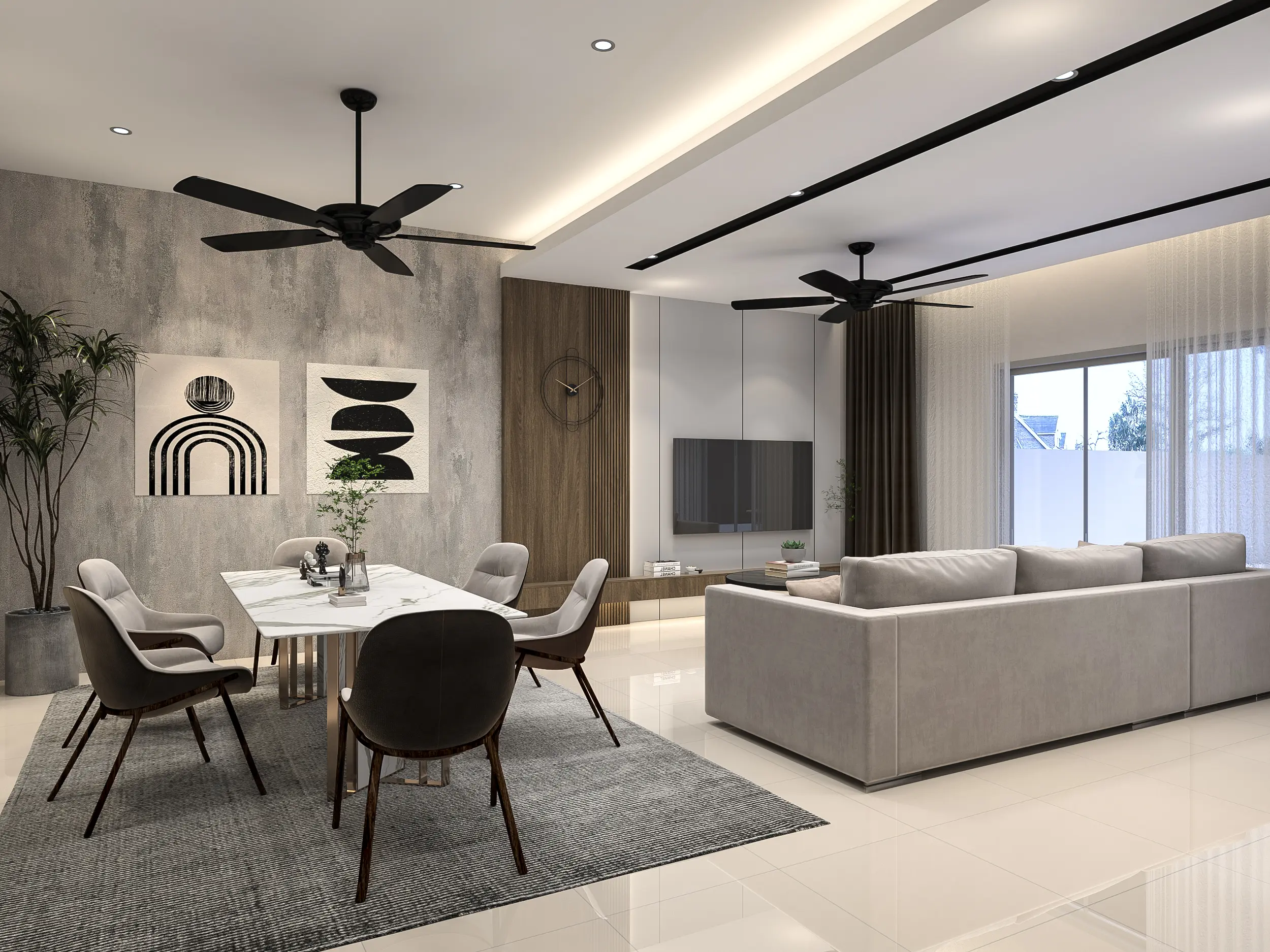
In wabi-sabi, the material palette is the design.
Because wabi-sabi usually keeps pattern, gloss and strong colour to a minimum, every material transition is visible up close — where timber meets plaster, where stone meets floor. That makes the way those materials meet especially important.
This is one reason a physical material sample matters more than a photo. Textured plaster and raw timber both look different under warm evening light than under a showroom fluorescent tube, and the texture itself needs to be felt, not just seen.
Malaysia's humidity also has to be part of the decision. Lime plaster and raw or reclaimed timber both need proper sealing to handle the climate, and a good installer matters as much as the material choice itself. Poorly applied plaster can simply look unfinished rather than intentionally imperfect.
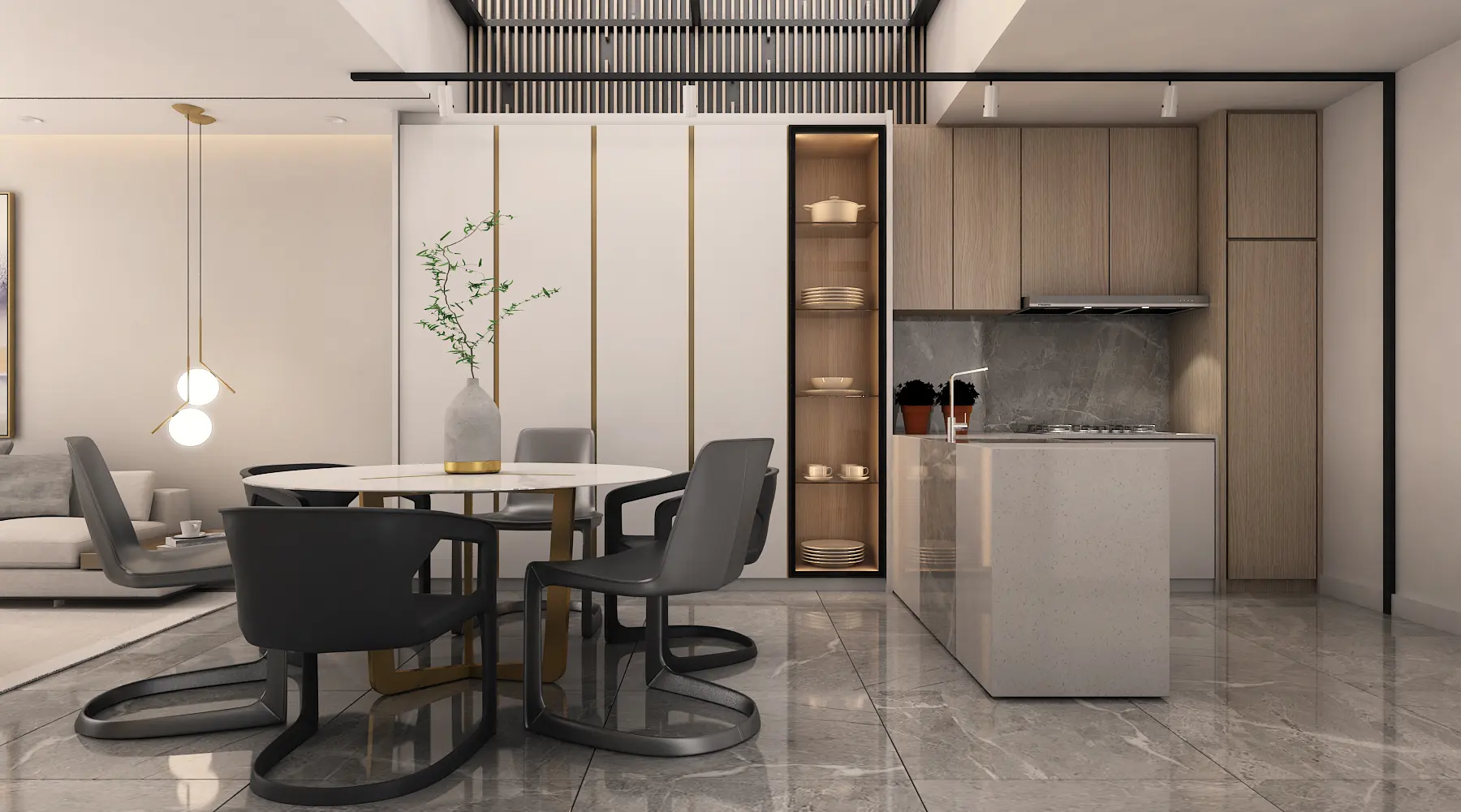
Wabi-sabi vs Japandi vs industrial/rustic
All three lean on natural materials, but the finish and mood differ.
| Style | Characteristics | Common fit |
|---|---|---|
| Wabi-sabi | Textured, irregular finishes such as lime plaster, natural timber and handmade ceramics, usually in warm, earthy tones. | Homeowners who like natural materials, visible texture and a less polished look. |
| Japandi | Clean, matte finishes, practical storage and a more consistent, minimal look. | Homeowners who want a calm, functional interior that is easier to maintain. |
| Industrial/rustic | Exposed brick, concrete, timber or metal, usually with a heavier and more urban feel. | Homes or feature spaces where a rawer, more industrial character suits the architecture. |
Wabi-sabi
Textured, irregular finishes such as lime plaster, natural timber and handmade ceramics, usually in warm, earthy tones.
- Common fit
- Homeowners who like natural materials, visible texture and a less polished look.
Japandi
Clean, matte finishes, practical storage and a more consistent, minimal look.
- Common fit
- Homeowners who want a calm, functional interior that is easier to maintain.
Industrial/rustic
Exposed brick, concrete, timber or metal, usually with a heavier and more urban feel.
- Common fit
- Homes or feature spaces where a rawer, more industrial character suits the architecture.
The smallest details can carry the philosophy.
You don't need much. A handmade bowl, a simple ceramic vase or a considered light fixture can be enough to bring in that sense of age and imperfection.
These details are inexpensive compared with plastering or carpentry, but they're often what makes a room read as wabi-sabi rather than simply "neutral and minimal." Get the big surfaces right first, then let a few considered objects finish the room.
What changes the cost of a wabi-sabi-style home
The style itself doesn't set the budget — the finishes and scope do.
Textured plaster
Hand-applied lime or microcement plaster costs more than standard paint, and installer skill affects the finished look directly.
Timber and stone
Reclaimed or solid timber and natural stone cost more than laminate or engineered alternatives, but carry more of the look.
Joinery and detailing
Simple, well-made joinery that shows its material honestly is often more labour-intensive than a flat, factory-finish panel.
Feature wall or full renovation
A single textured feature wall costs very differently from a renovation that changes flooring, cabinetry and wet areas throughout.
Planning bands, not quoted prices. Pricing depends on property size, finishes, carpentry and site condition — a site visit is needed for an exact number.
Three common wabi-sabi scenarios
A single feature wall in a condo
One textured plaster wall in the living area, paired with existing neutral furniture and a few handmade objects, brings the look in without a full renovation.
A full material refresh from a busier existing scheme
Existing flooring, walls, cabinetry and lighting can be simplified to create a warmer, more consistent wabi-sabi look.
A landed home carrying the palette across floors
Using the same plaster tones, timber and stone across both floors helps the house feel connected rather than designed one room at a time.
How a wabi-sabi design enquiry usually runs
Understand the space and the mood
We start with photos, your property type, reference images and the textures or tones you're drawn to.
Set the material and finish palette
We agree on the plaster finish, timber tone and stone choices before detailing the carpentry and wall treatments.
Confirm the installer for textured finishes
Lime plaster and similar treatments depend heavily on the applicator, so this gets confirmed before other trades are booked.
Detail lighting and material samples
Check plaster and timber samples under real site conditions and layer lighting to suit the finishes chosen.
Price and sequence the build
Confirm what is and isn't included and coordinate trades so the finished result matches the agreed palette.
A home that doesn't try to look brand new.
Wabi-sabi gives a home warmth and character without relying on colour, pattern or polish. Done well, it ages gracefully instead of looking dated.
For related planning, compare interior design styles, Japandi interior design and minimalist interior design.
Wabi-sabi interior design, answered
What is wabi-sabi interior design?
Wabi-sabi is a Japanese design philosophy built around finding beauty in imperfection, natural ageing and simplicity. In a home, that often means textured walls, timber with visible grain, handmade ceramics and a muted, earthy palette — surfaces that show their own character rather than a flawless, factory-made finish.
Is wabi-sabi the same as Japandi or rustic style?
They overlap but aren't identical. Japandi leans on clean, even, matte finishes, practical storage and a more uniform look. Wabi-sabi is more tactile and deliberately irregular — perhaps a lime-washed wall, a live-edge timber slab or a hand-thrown bowl with visible texture. Rustic or industrial styles also use raw materials, but usually feel heavier and more urban, with exposed brick, concrete or metal.
Does wabi-sabi work in a Malaysian condo?
Yes, though it needs a lighter touch than a landed home. A textured feature wall, one or two handmade pieces and a warm, muted palette can bring the look into a condo without needing to change every surface in the unit.
Is wabi-sabi suitable for Malaysia's climate and humidity?
It can be, but material choice matters more here than in many other styles. Lime plaster and raw timber both need to be properly sealed and finished for a humid climate, or they can absorb moisture and age in ways that weren't intended. This is one style where getting professional advice on finishes before committing is worth it.
What materials define a wabi-sabi home in Malaysia?
Common choices include lime or microcement plaster, timber with visible grain, unglazed ceramics, natural-fibre textiles such as linen and jute, and warm stone. Glossy, perfectly uniform or heavily lacquered finishes tend to work against the style.
How do I stop a wabi-sabi interior from looking unfinished or messy?
The difference between "imperfect" and "unfinished" is intention. Every rough or aged surface should be a deliberate choice, applied consistently, next to furniture and objects that are otherwise well made. A few polished or neutral elements — a good sofa, tidy storage — help ground the room so the texture reads as considered rather than incomplete.
How much does wabi-sabi interior design cost in Malaysia?
Cost depends on the scope of carpentry, wall treatments and the finishes chosen, the same as any style. Textured plaster finishes and reclaimed or solid timber can cost more than standard paint and laminate, so it's worth budgeting for finishes early. A site-specific quotation is the only reliable way to confirm a number.
Can wabi-sabi be combined with existing furniture?
Often, yes. Simple timber furniture, linen upholstery and neutral pieces usually sit comfortably in a wabi-sabi scheme. Glossy, brightly coloured or heavily patterned pieces are the ones that tend to need replacing first.
Is wabi-sabi suitable for a landed home in Malaysia?
Yes. Larger homes give the palette more room to breathe — a textured feature wall in the living area, exposed timber beams or joinery, and natural stone in wet areas can all carry through multiple rooms without feeling repetitive.
Do condo wabi-sabi renovations in KL need management approval?
Most condo renovations do, including drawings, contractor registration, a deposit, lift booking and confirmation of permitted working hours. This applies regardless of the style chosen, so it's worth confirming your building's requirements early, especially if wall treatments involve plastering work.
Do I need an interior designer for a wabi-sabi-style home?
It helps more than it might seem. Finishes like lime plaster are applied by hand and vary by installer, while getting the palette, lighting and material mix to feel cohesive takes some planning. An interior designer adds value through finish selection, application quality and making sure the "imperfect" look is consistent from room to room.
Tell us the mood you're after
Send photos of the space, your property type and any reference images you like. We'll help translate that into a wabi-sabi palette, finishes and a realistic renovation scope.
Request a consultation