
Interior Design Styles in Malaysia
Every interior design style makes different trade-offs between warmth, storage, maintenance and how forgiving it is to live in. This guide walks through the styles Malaysian homeowners ask for most, what each one involves, and how to choose one that fits your property rather than just a reference photo.
Send us a few reference images, your property type and a rough budget. We'll help you understand which direction fits the space before anything is designed.
A style is a set of trade-offs, not just a look.
Homeowners in KL and Selangor usually arrive with a folder of reference photos before they arrive with a floor plan. That's a reasonable place to start. A style affects much more than colour and mood. It changes the materials you use, how much storage you need, how easy the home is to maintain, and how well it handles everyday life.
Two homeowners can show a designer the same reference photo and still end up with very different homes. Ceiling height, daylight, existing finishes and the way the household uses the space all change how that look translates in real life. The styles below are the ones we see requested most often across condos, terrace houses, semi-D and landed homes in the Klang Valley, with a plain description of what each one involves.
Japanese restraint, Scandinavian warmth
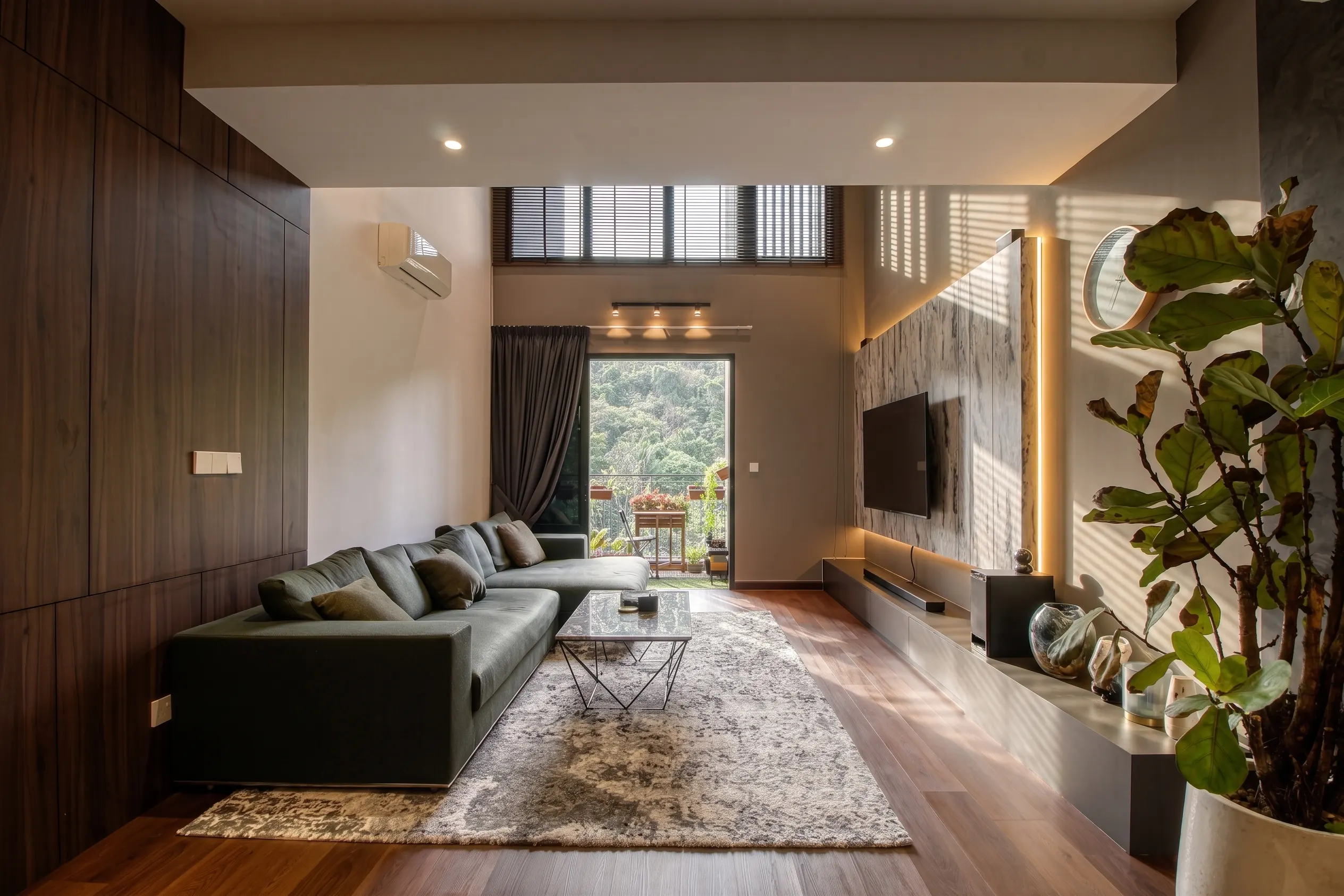
Japandi combines the restraint of Japanese interiors with the warmth and comfort associated with Scandinavian design. Timber is usually prominent, paired with matte finishes, soft textures and low-profile furniture.
Best for: homeowners who want a calm interior that still feels warm and lived-in, in condos and landed homes alike. See our full Japandi interior design guide.
Practical, storage-first minimalism
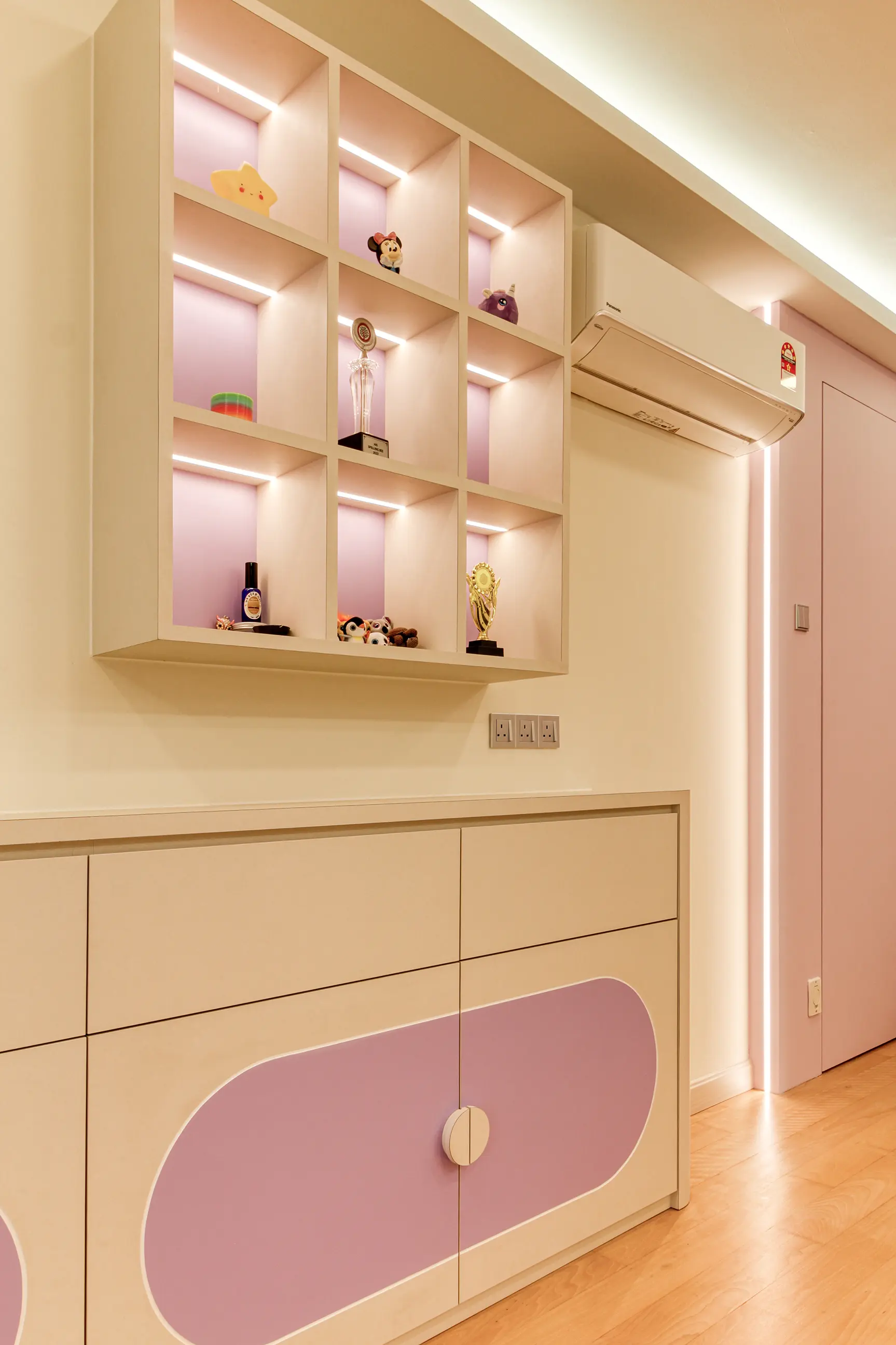
MUJI-style interiors take minimalism in a more practical, storage-led direction. Colours stay neutral, visual clutter is kept down, and built-in storage usually plays a bigger role. The calm comes from having a place for everything, not from the finishes themselves.
Best for: compact condos and family homes that need a clutter-free, easy-to-maintain interior.
Light, comfortable and a little more layered
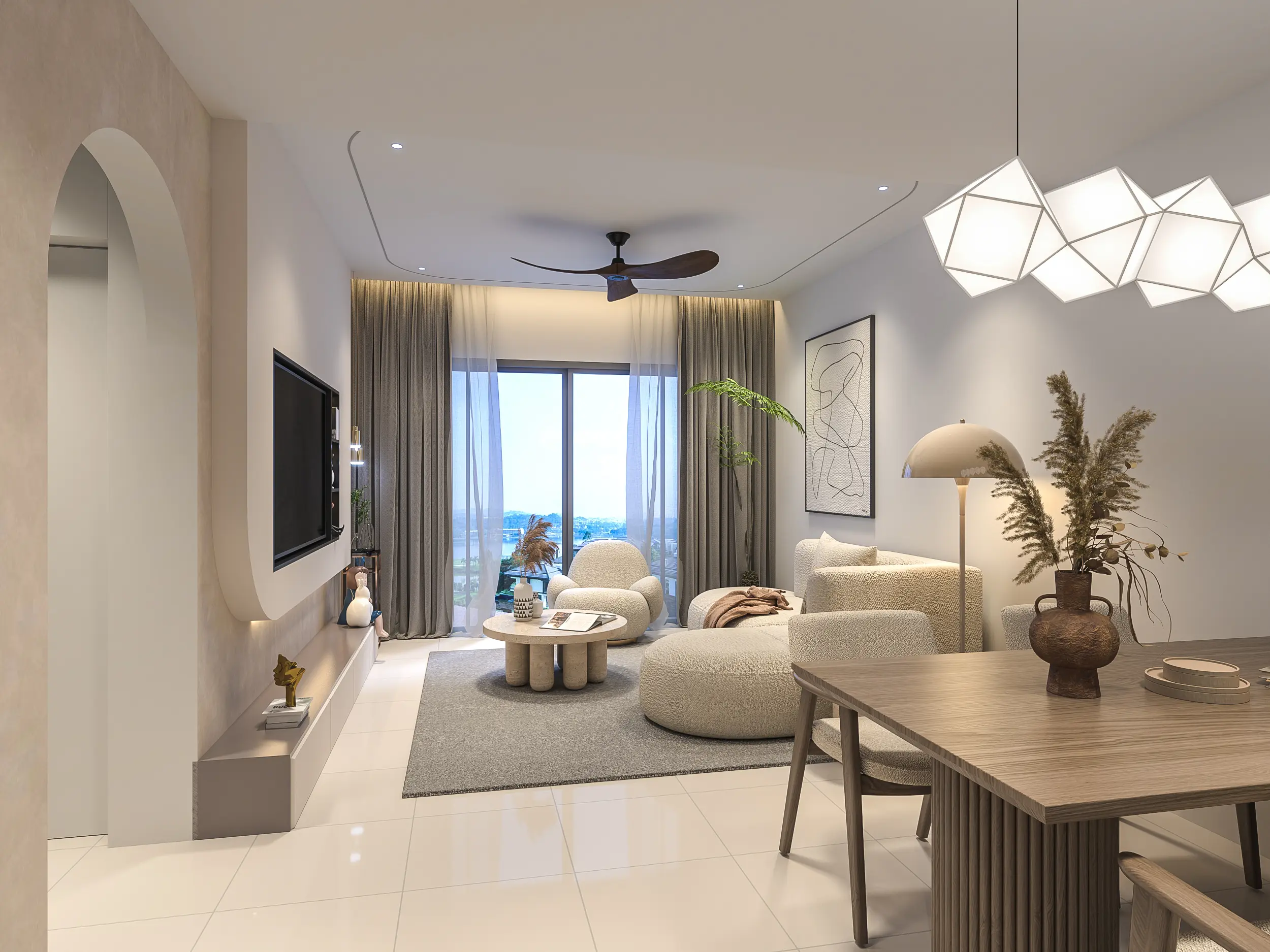
Scandinavian interiors share the light palette of Japandi but allow more decorative layering, softer furnishings and brighter contrast. There's also more room for rugs, cushions and warmer accent colours than you would typically see in Japandi or MUJI interiors.
Best for: living spaces where comfort and casual warmth matter more than a very restrained look. See our full Scandinavian interior design guide.
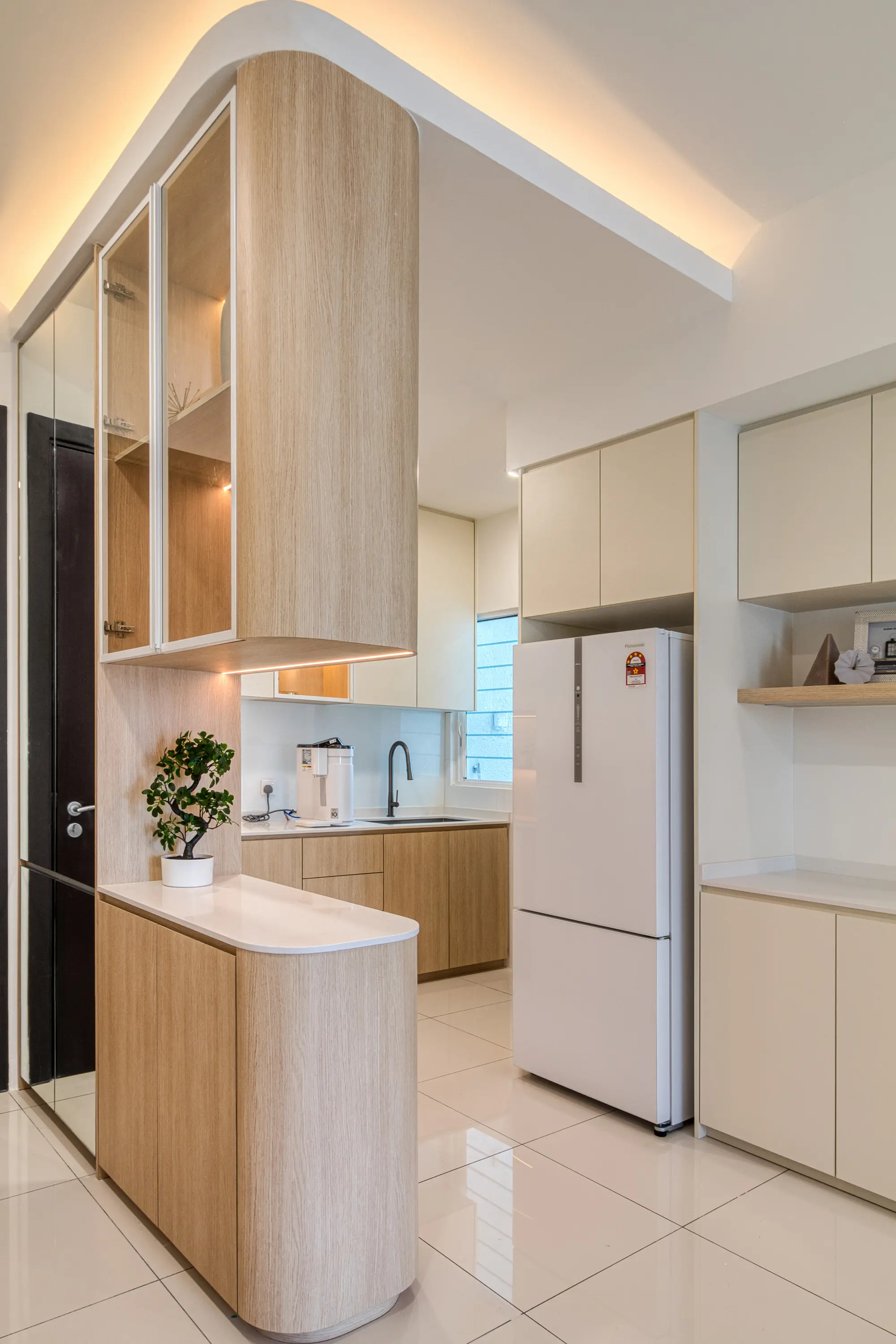
Clean lines without a specific cultural reference
Modern minimalist interiors have the same sense of simplicity as Japandi and MUJI, but without trying to look distinctly Japanese or Scandinavian. You'll usually see flat-panel cabinetry, a neutral or monochrome palette, clean proportions and very little decorative detailing.
Best for: homeowners who want a clean, contemporary look without a strong decorative identity. See our full minimalist interior design guide.
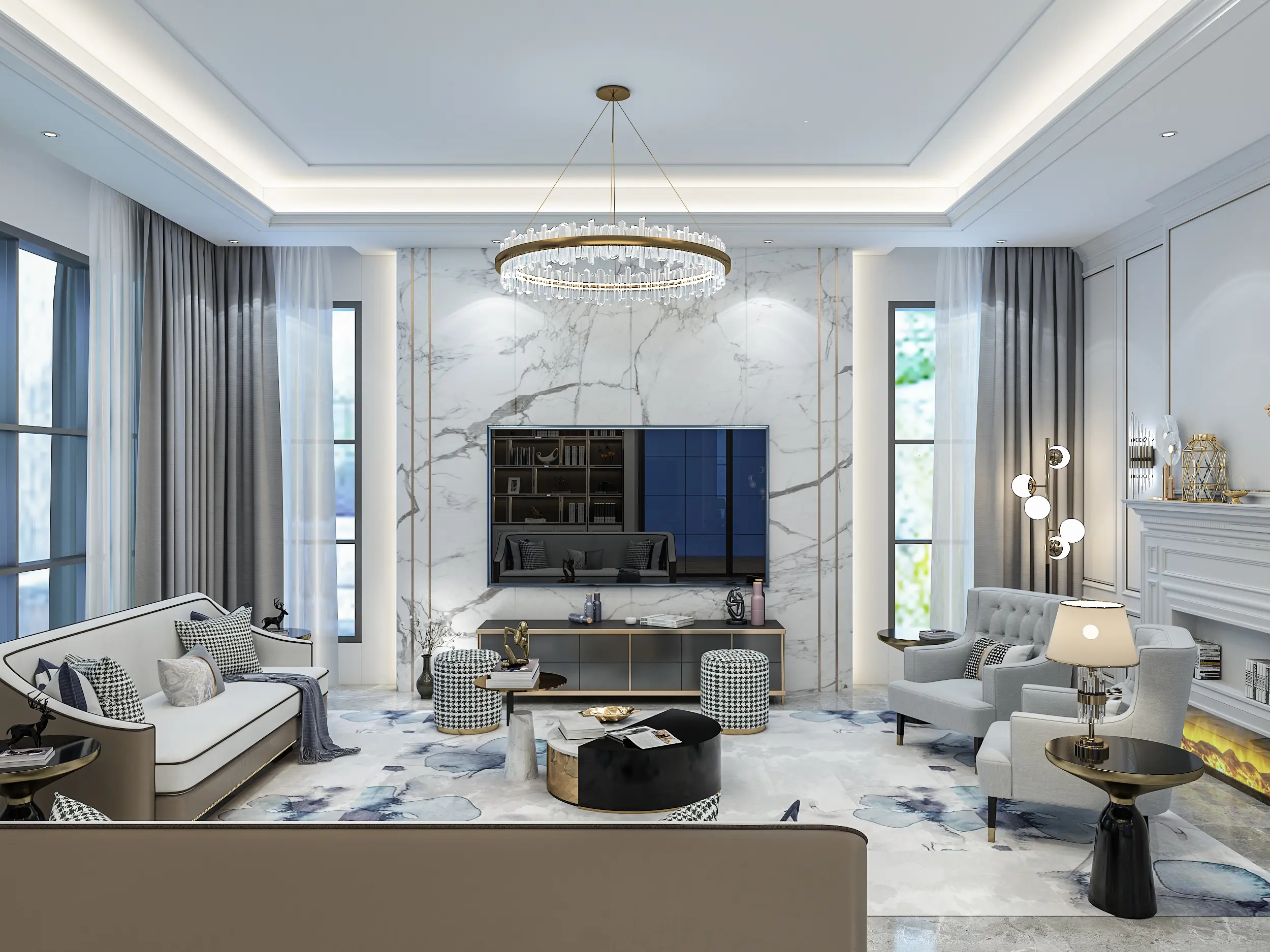
Richer materials, still kept contemporary
Modern classic interiors use richer materials without becoming overly decorative. Marble or marble-look surfaces, deeper timber tones, mouldings and more substantial joinery can all feature, but the overall layout still feels contemporary and uncluttered.
Best for: larger homes, where there is enough space for those details without making the rooms feel heavy.
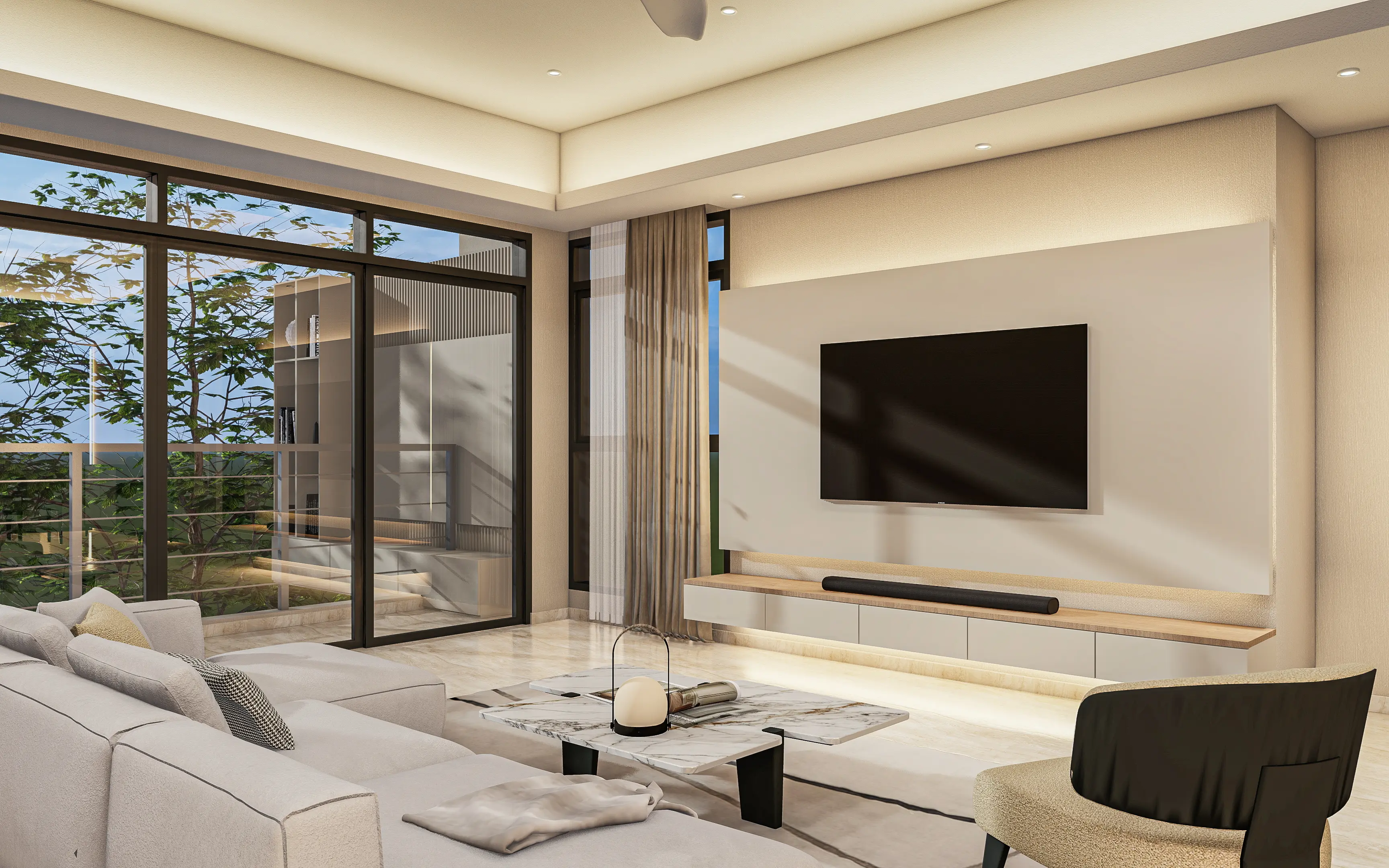
Contemporary layouts, richer materials
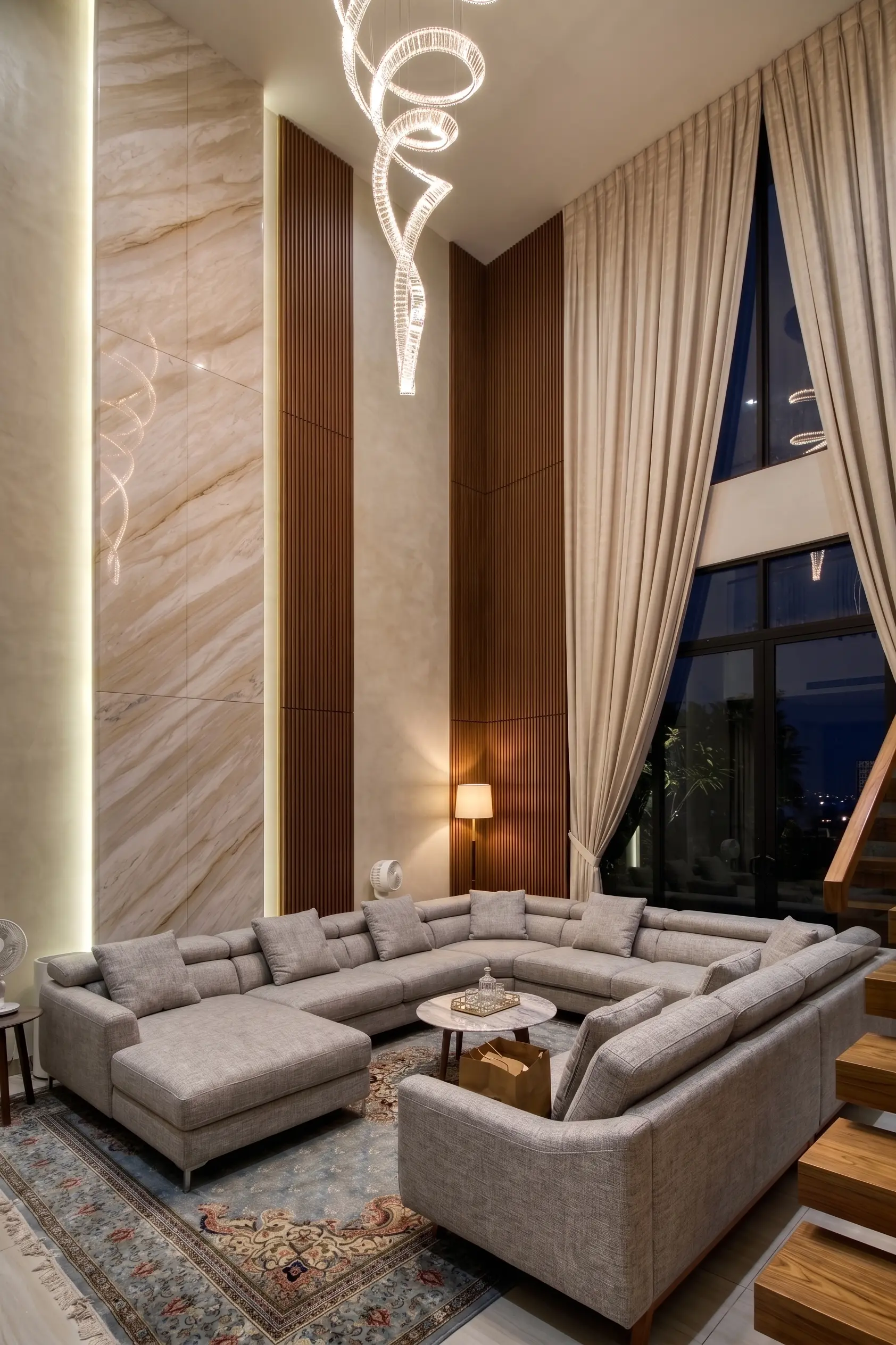
Modern luxury interiors keep the same clean, uncluttered layout as modern minimalist or modern classic homes, but lean on natural stone, deeper timber veneer and warm metal accents to signal quality. The luxury comes from material grade and lighting rather than added ornament.
Best for: larger condos, penthouses and landed homes with the ceiling height and floor area to carry stone features and layered lighting. See our full modern luxury interior design guide.
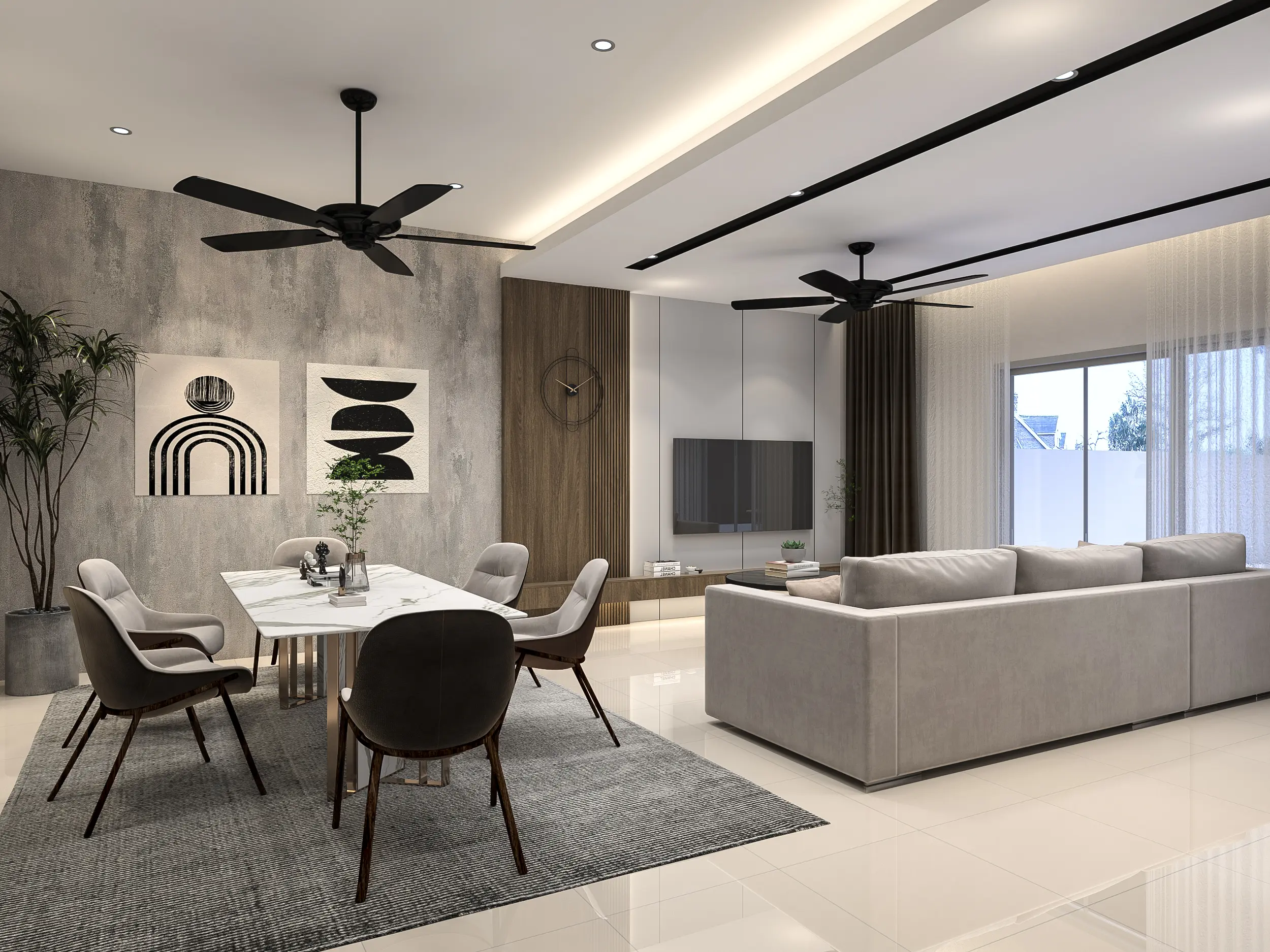
Honest materials, left visible
Industrial-influenced interiors often use cement screed, exposed brick or concrete-look finishes, darker metal fixtures and more utilitarian materials. It suits homeowners who want a home that feels a little rawer and less polished than the other styles here.
Best for: people who like exposed materials and a less polished finish — though cement screed and darker surfaces need careful sealing and maintenance planning in Malaysia's humidity.
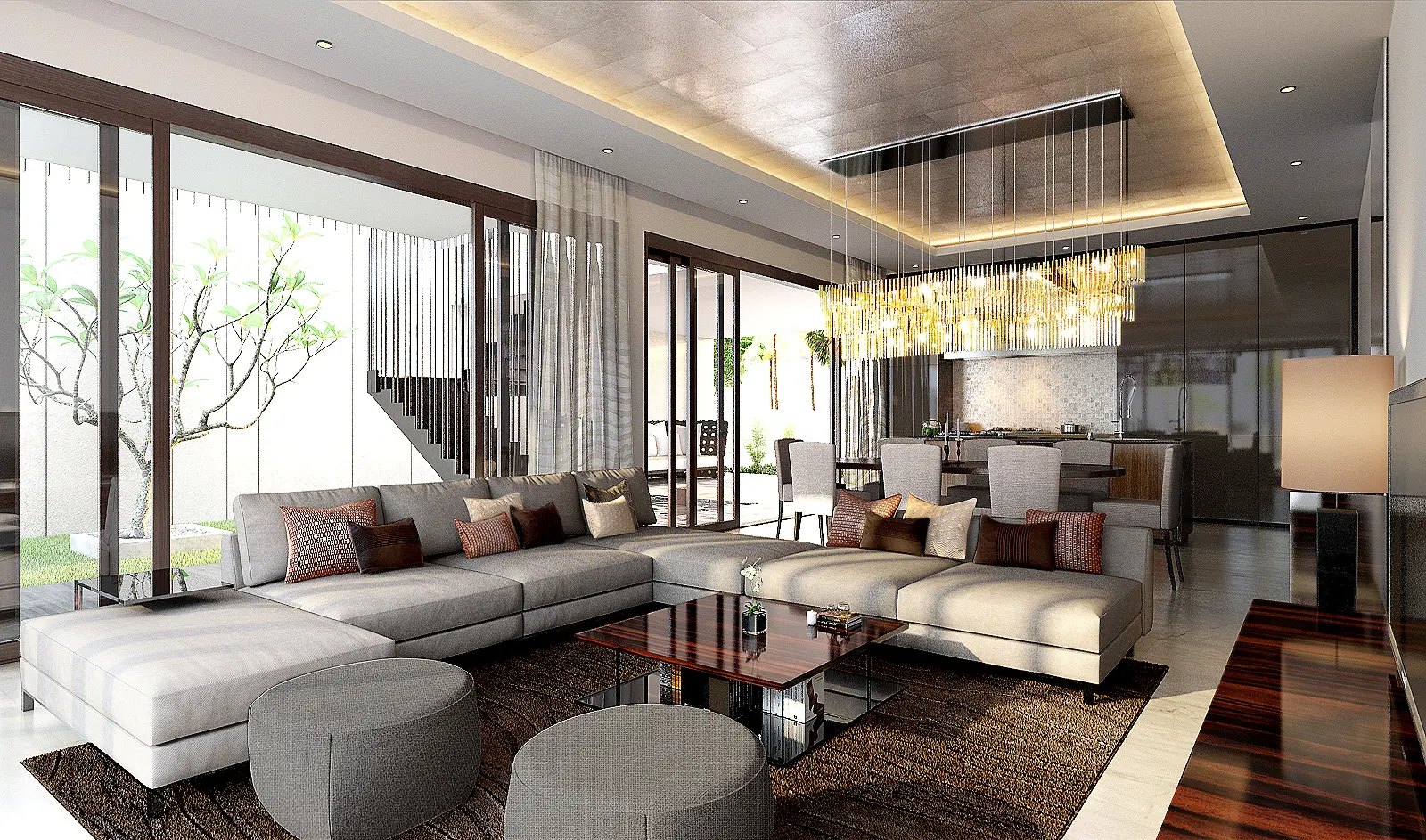
Built for the climate, not just the look
Tropical contemporary interiors lean into Malaysia's climate rather than working against it — large openings to a garden or courtyard, natural stone, rattan and timber, ceiling fans alongside air-conditioning, and planting brought close to the living space.
Best for: landed homes and ground-floor units with a garden, balcony or covered outdoor area worth designing around, not just filling.
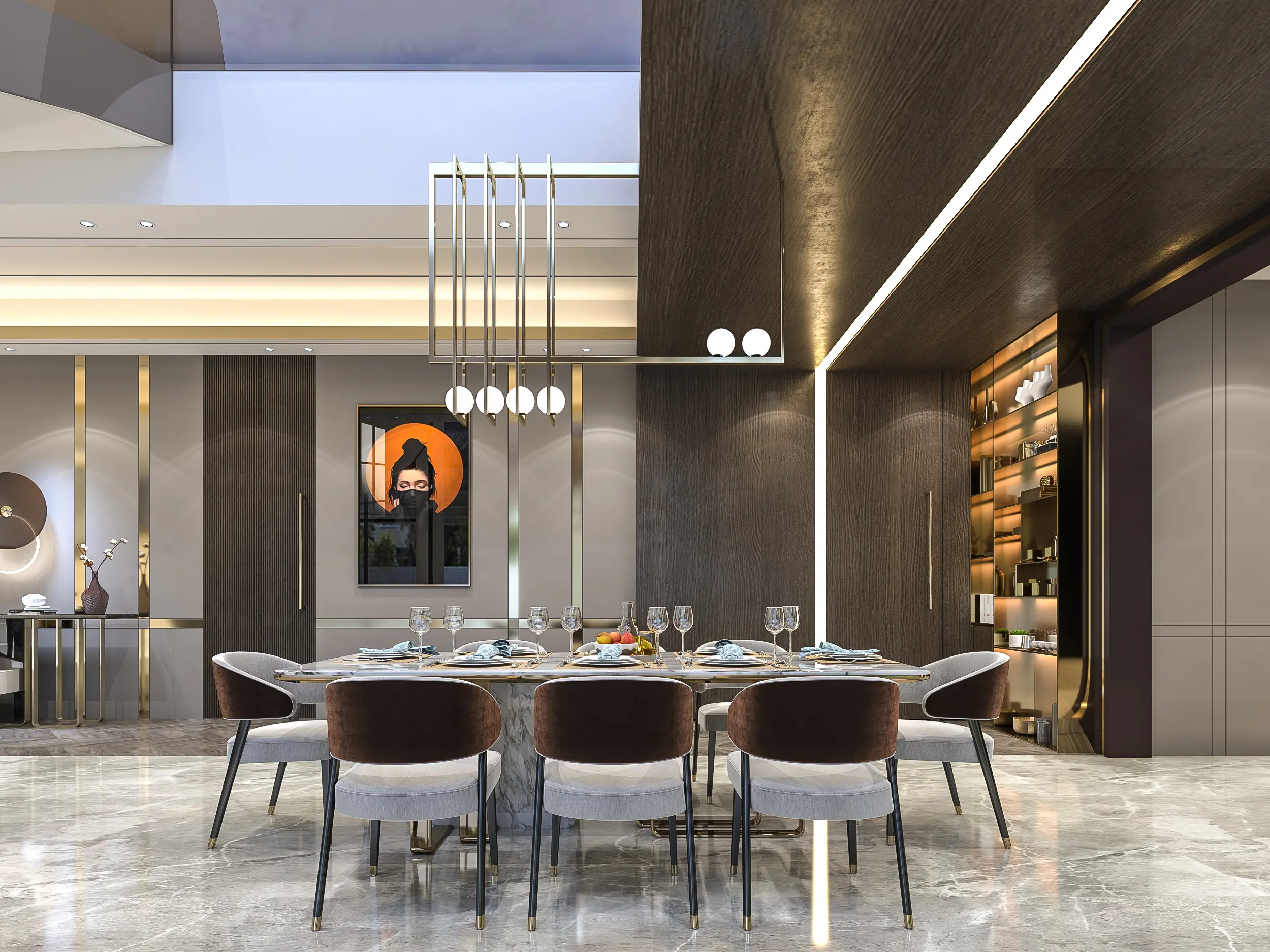
Beauty in the imperfect and the worn
Wabi-sabi is a Japanese philosophy that finds beauty in imperfection and natural ageing. Textured lime or microcement plaster, raw or reclaimed timber and handmade ceramics replace flat, uniform finishes, in a warm, earthy palette.
Best for: homeowners wanting a tactile, artisanal interior, from a single condo feature wall to a full landed-home palette. See our full wabi-sabi interior design guide.
Four things that narrow the decision faster than a mood board
A style has to work with the property, not just the photo you saved.
Natural light and orientation
A unit with limited daylight can read very differently in a pale Japandi or MUJI palette than the same style in a bright showroom photo.
Who lives there
Young children, pets or frequent guests usually call for more forgiving finishes, durable fabrics and surfaces that are easy to clean. That can influence how far you want to take a very pale or highly restrained scheme.
Condo, terrace, semi-D or landed
Floor area and ceiling height affect which styles can carry bolder materials or stronger architectural details.
Carpentry and material scope
The style doesn't set the budget on its own — the amount of custom carpentry, wet-area work and material grade does.
Interior design styles in Malaysia, answered
What are the most popular interior design styles in Malaysia?
Japandi, MUJI-style Japanese minimalism, Scandinavian, modern minimalist, modern classic, modern luxury, industrial-influenced and tropical contemporary interiors are among the styles homeowners in KL and Selangor ask for most often. Most Malaysian homes end up as a blend rather than a pure version of any one style, shaped by the property type and how the family actually lives.
How do I choose an interior design style for my home?
Start with how you use the space rather than a single reference photo. A family with young children usually needs more durable, forgiving materials than a couple in a compact condo. Natural light, ceiling height and existing finishes also narrow the realistic options — a style that looks right in a bright showroom photo can read very differently in a north-facing unit with lower ceilings.
Can I mix two interior design styles?
Yes, and most finished homes are some kind of mix. The risk is mixing too many reference points at once — a Japandi living room next to a heavily patterned bedroom can feel disjointed. Choosing one or two styles that already share a similar palette and materials, like Japandi and modern minimalist, blends more easily than combining opposites.
Which interior design style works best for a small condo?
Japandi, MUJI-style and modern minimalist interiors tend to suit small condos well, since all three rely on a restrained palette and built-in storage rather than statement furniture, which helps a compact unit feel calmer and less crowded.
Which style suits a landed home better?
Modern classic and industrial-influenced interiors often suit landed homes, where there is more floor area and ceiling height to carry bolder materials or stronger architectural details. That said, Japandi and Scandinavian styles work just as well in a landed home — the deciding factor is usually the household's taste rather than the property type.
Does an interior design style change the renovation cost?
The style itself doesn't set the cost — the underlying scope does. A style built on custom carpentry, natural stone or bespoke joinery will generally cost more than one that reuses simpler, off-the-shelf materials, regardless of which style is chosen.
How long does it take to settle on a style before renovation starts?
Most homeowners can narrow the direction fairly quickly once reference images, the property itself and a realistic budget are discussed together. Landed homes with more rooms to keep consistent, or households combining several people's preferences, can take a little longer to agree a single direction.
Do I need an interior designer to get a specific style right?
It depends how restrained the style is. Some styles are more forgiving than others. In a layered interior, a slightly awkward proportion or material transition may barely register. In a very pared-back Japandi, MUJI or minimalist home, those details stand out much more, so the result depends heavily on material and lighting decisions, not just furniture shopping.
Tell us which direction you're leaning toward
Send a few reference images, your property type and a rough budget. We'll help you understand which style genuinely fits the space and the renovation scope it involves.
Request a consultation