
Scandinavian Interior Design Malaysia
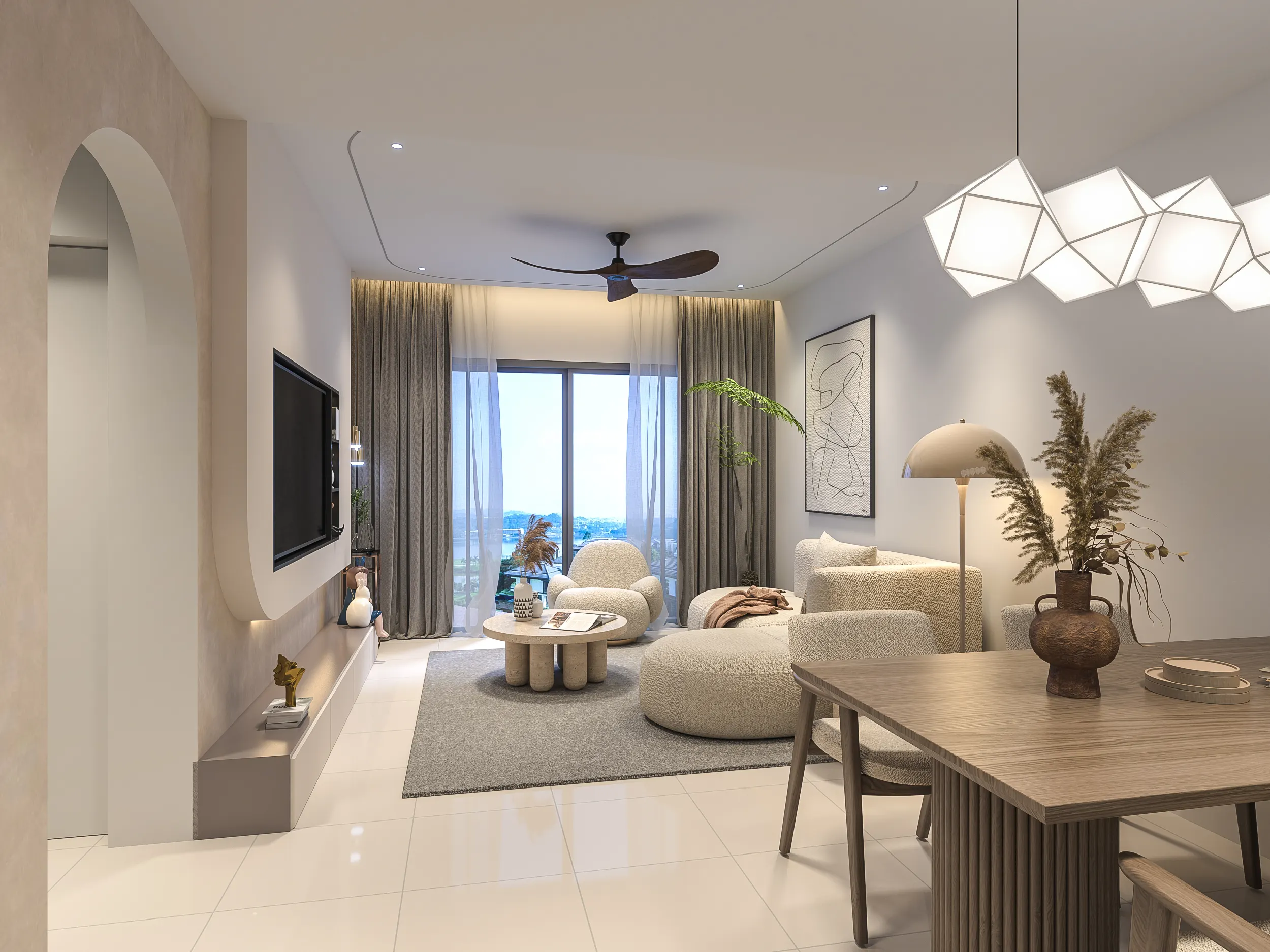
Scandinavian interior design brings a light, natural palette into the home, softened with comfortable furnishings, textiles and a little more decorative layering than Japandi or minimalist styles allow. We design Scandinavian-influenced homes across Kuala Lumpur and Selangor for homeowners who want a bright, easy interior that still feels warm and lived-in.
Send us photos of the space, your property type and the tones or textiles you're drawn to. We'll help translate that into a workable palette and renovation scope.
Light and easy, with room to add warmth.
Scandinavian interiors share the same light, uncluttered starting point as Japandi and minimalist design, but they're built to feel a little more relaxed. Rugs, cushions, throws and a warmer accent colour all have a place here, layered over a base of light timber, white walls and simple furniture forms.
In a Malaysian home, Scandinavian design can feel relaxed and easy to live with. Light timber and neutral colours keep the space airy, while rugs, cushions, artwork and a little colour stop it from feeling overly minimal.
For a broader look at how Scandinavian design compares with other approaches, see our interior design styles guide, or compare it directly with Japandi and minimalist interior design.
What we change for Klang Valley homes
Scandinavian references are a starting point. The materials, window light and daily routine still belong to the home you're actually renovating.
Soften the white where needed
In a west-facing KL condo, a cooler Nordic white can become very bright in the afternoon. Softer off-whites and tested fabric swatches often give the room a more comfortable base.
Use washable, replaceable layers
Choose rugs, cushion covers and upholstery with cleaning and replacement in mind. The room can still feel tactile without relying on delicate textiles that are difficult to live with.
Keep the main walkways clear
A smaller living and dining area benefits from a rug and a few well-chosen cushions rather than every surface being filled. Plan storage for shoes, bags and appliances before adding open display.
Balance bright and darker zones
Intermediate terrace lots can have brighter front and rear rooms with a darker centre. Use lighting, pale joinery and a consistent timber tone to connect the house without forcing every room to be white.
Six Scandinavian design ideas worth testing
The best Scandinavian rooms feel bright first, then layered.
Start with the lightest workable palette
White or off-white walls and light timber flooring set the base that everything else gets layered onto.
Layer textiles for warmth
A rug, cushions and a throw add texture and comfort without needing to change the underlying finishes.
Choose simple, functional furniture forms
Clean silhouettes with visible timber legs read as Scandinavian more than heavily upholstered or ornate pieces.
Add one confident accent colour
A single stronger colour — on a feature wall, a cushion or a piece of furniture — keeps a light room from feeling flat.
Bring in plants for contrast
Greenery against a pale palette is a hallmark of the style and adds life without adding clutter.
Keep storage built-in, not styled
Concealed storage keeps the room looking calm day to day, even with more decorative items on display than a stricter style would allow.
Where Scandinavian design shows up most
The style translates a little differently depending on the room.
Living and dining
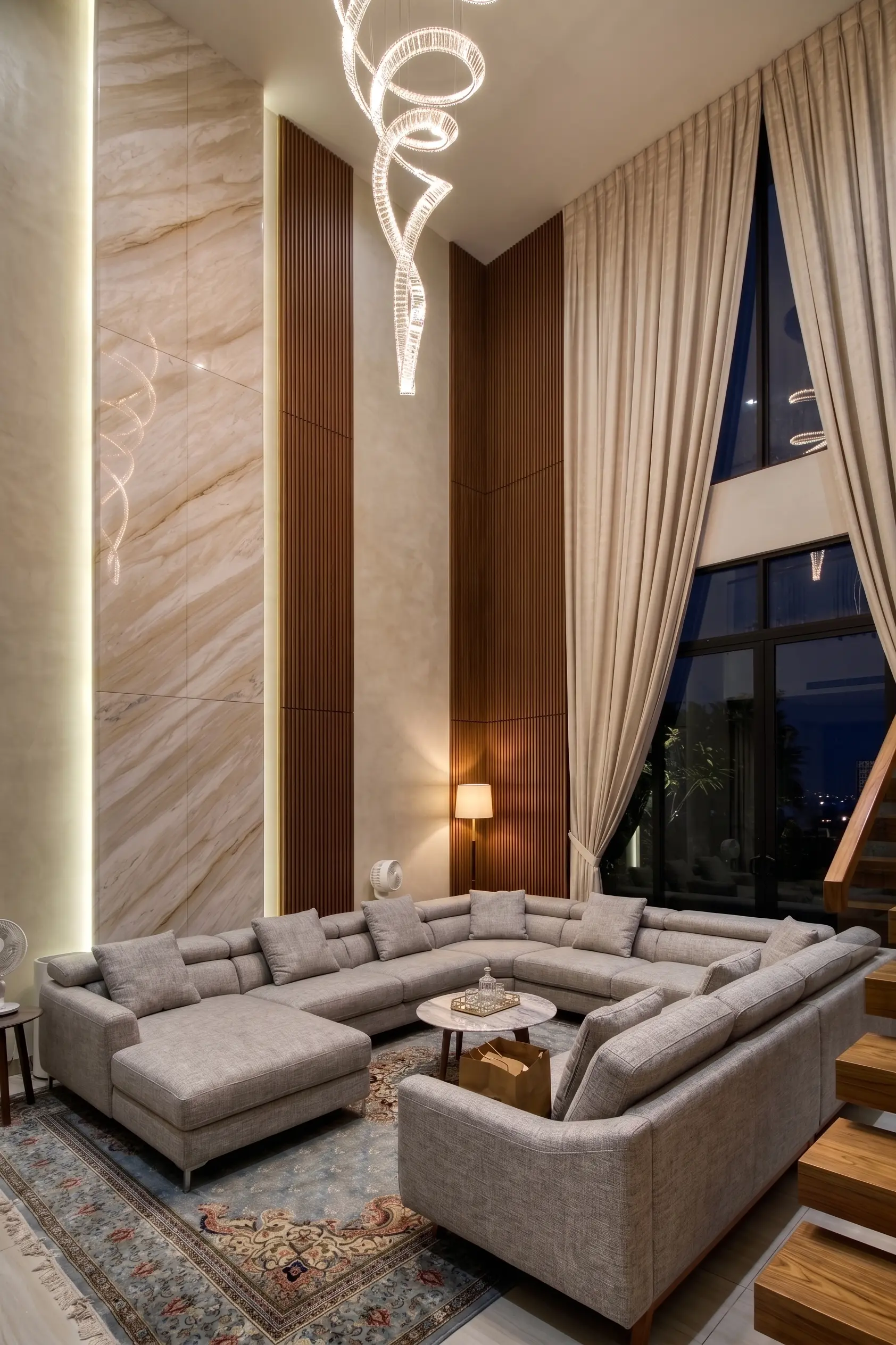
Light timber, a neutral sofa and layered textiles set the tone for the rest of the home.
Kitchen
White or light-wood cabinets, simple hardware and a bright, easy-to-clean backsplash keep the space feeling airy.
Bedroom
Soft linens, a light headboard and warm-toned lighting support a restful, uncluttered feel.
Bathroom
Pale tile, a simple vanity and a wood-look accent keep the same brightness going in the bathroom.
A light base needs to hold up to daily life.
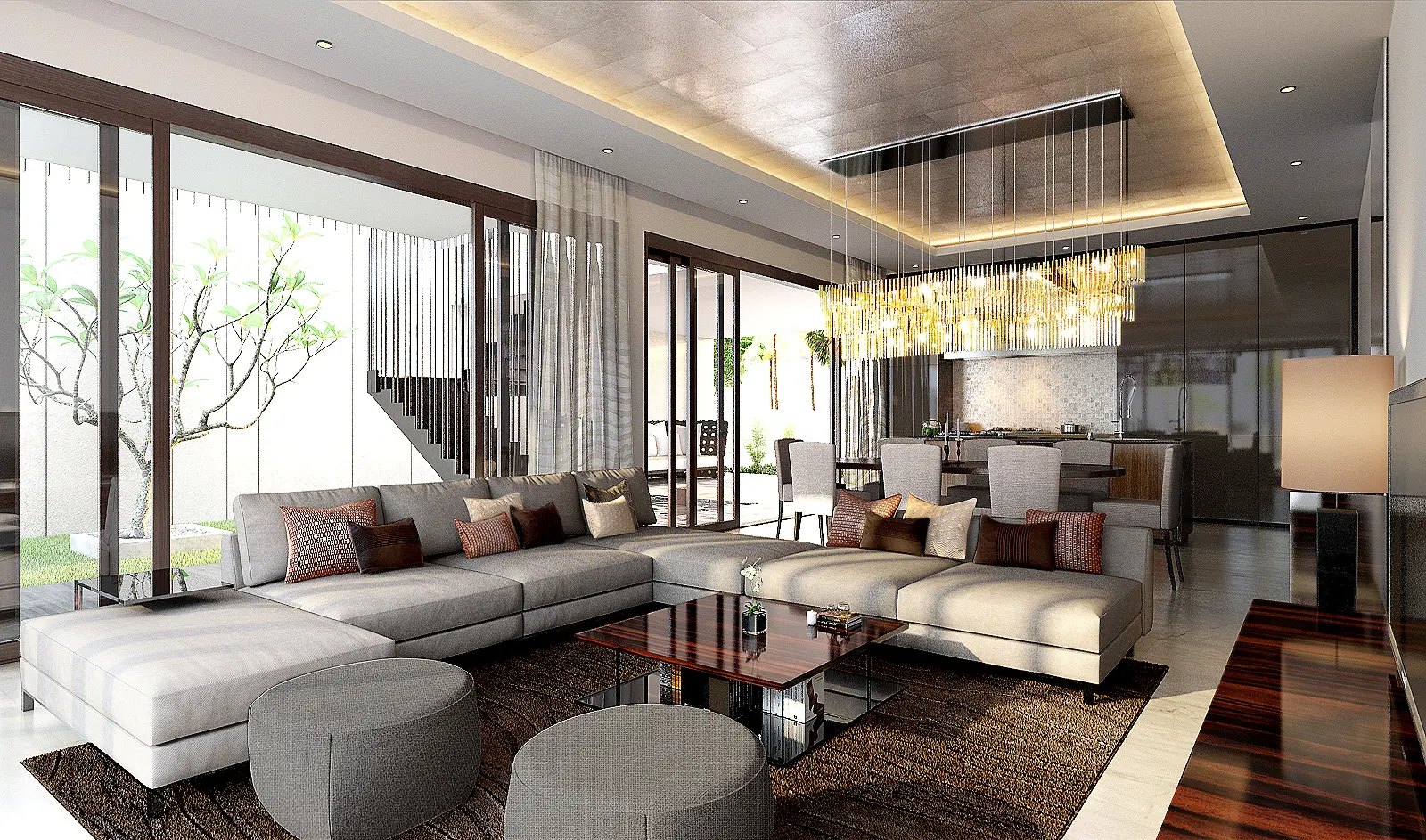
Because Scandinavian interiors lean on a pale palette, material choice matters for durability as much as looks. Pale upholstery, light rugs and white cabinetry all show marks quickly, so fabric grade, cleaning routine and finish need to be chosen with the household in mind.
Malaysia's strong daylight is also worth accounting for. A soft white that looks beautiful in a reference photo can look harsh in a bright KL apartment, so test paint and fabric swatches in the actual room, morning and afternoon, before making the final call.
Breathable fabrics and good airflow matter in Malaysia, especially in rooms that get warm during the day. They help the space stay comfortable rather than feeling like a showroom built around a mood board.
Scandinavian vs Japandi vs Minimalist
All three favour a light, simple base, but how much layering and warmth they allow differs.
| Style | Characteristics | Common fit |
|---|---|---|
| Scandinavian | Light colours, softer furnishings, more decorative layering and brighter contrast. | Living spaces focused on comfort and casual warmth. |
| Japandi | Japanese restraint blended with Scandinavian warmth and a considered accent piece or two. | Homeowners wanting a calm but not austere aesthetic. |
| Minimalist | Clean lines, restrained monochrome or neutral palette, no specific cultural reference. | Homeowners wanting a contemporary look without a strong decorative identity. |
Scandinavian
Light colours, softer furnishings, more decorative layering and brighter contrast.
- Common fit
- Living spaces focused on comfort and casual warmth.
Japandi
Japanese restraint blended with Scandinavian warmth and a considered accent piece or two.
- Common fit
- Homeowners wanting a calm but not austere aesthetic.
Minimalist
Clean lines, restrained monochrome or neutral palette, no specific cultural reference.
- Common fit
- Homeowners wanting a contemporary look without a strong decorative identity.
What changes the cost of a Scandinavian-style home
The style itself doesn't set the budget — the underlying renovation scope does.
Rugs, cushions and upholstery
Layered soft furnishings add up quickly and affect how durable the finished look is day to day.
Light timber and paint finishes
Good-quality timber-look flooring and durable pale paint cost more than budget alternatives but hold up better.
Bright, warm-toned fixtures
Getting the light level and colour temperature right matters more here than in a darker-toned style.
Refresh or full renovation
A furniture and textile refresh costs very differently from a renovation that changes flooring, cabinetry and wet areas.
Planning bands, not quoted prices. Pricing depends on property size, carpentry, materials and site condition — a site visit is needed for an exact number.
Three common Scandinavian scenarios
A condo refresh with new textiles and paint
Walls, lighting and soft furnishings change first, with existing light-toned furniture kept where it fits the new palette.
A full renovation from a darker existing scheme
Flooring, cabinetry, ceiling and lighting are redone to move from a darker or heavier interior toward a bright, Scandinavian-influenced palette.
A landed home carrying the palette across floors
The same light flooring, wall tone and textile approach repeat from the ground floor up, so the whole house feels bright and cohesive.
How a Scandinavian design enquiry usually runs
Understand the space and the mood
We start with photos, your property type, reference images and the tones or textiles you're drawn to.
Set the palette and layering
Agree the base colours, dominant timber tone and accent pieces before any carpentry is drawn.
Plan storage and layout
Work out where everything goes so the finished home can stay bright and uncluttered day to day.
Detail lighting and materials
Confirm lighting circuits and material samples under real site conditions before ordering.
Price and sequence the build
Confirm what is and isn't included and coordinate trades so the finished result matches the agreed palette.
Bright and easy, without feeling bare.
Scandinavian design gives a home a welcoming feel while still allowing enough texture and colour to feel personal. Done well, it's comfortable, practical and easy to live with day to day.
For related planning, compare interior design styles, Japandi interior design, minimalist interior design and wabi-sabi interior design.
Scandinavian interior design, answered
What is Scandinavian interior design?
Scandinavian interior design is known for light colours, natural timber, simple furniture and comfortable textiles. Compared with stricter minimalist styles, it leaves more room for rugs, cushions, artwork and colour, so the home still feels relaxed and lived-in.
Is Scandinavian the same as Japandi or minimalist design?
They share the same light, uncluttered starting point but diverge from there. Japandi adds a Japanese-inspired restraint and warmer, more considered accents. Minimalist design goes further toward monochrome and flat surfaces. Scandinavian sits somewhere more relaxed — comfort and casual warmth matter more here than a very restrained look.
Does Scandinavian design suit a Malaysian condo?
Yes, particularly units with reasonable natural light. The light palette and simple furniture help a condo feel bright and airy, and the style's tolerance for cushions, throws and rugs makes it easier to soften a smaller space than a more austere style would allow.
Is Scandinavian style practical for Malaysia's climate?
It can be, with some adjustment. Pale upholstery and light rugs need to be chosen with humidity, cleaning and daily use in mind. Strong equatorial daylight can also make a very pale palette look stark, so test paint and fabric swatches in the actual room before committing. The goal is to keep the airy character while choosing finishes that are comfortable to maintain.
What materials define a Scandinavian home in Malaysia?
Light oak or ash-look timber, white or off-white walls, woven textiles like cotton and wool-look fabric, and simple, functional furniture forms. Layered textiles — a rug, cushions, a throw — do more of the decorative work than pattern on hard surfaces.
How do I keep a Scandinavian interior from feeling too plain?
Layering is the key difference from a more restrained style. A patterned cushion, a warmer accent colour on one wall or a textured rug adds personality without breaking the light, airy base the style depends on.
How much does Scandinavian-style interior design cost in Malaysia?
Cost depends on property size, carpentry, flooring, lighting and how much of the existing renovation is being replaced rather than refreshed, the same as any other style. A site visit is needed to confirm an exact figure.
Can Scandinavian design work with existing furniture?
Often, yes. Because Scandinavian design allows a little more variety than Japandi or minimalist interiors, light timber furniture, neutral sofas and simple textiles can usually be worked into the scheme without a full replacement.
Is Scandinavian style suitable for a landed home in Malaysia?
Yes. The style adapts well to larger homes, where the lighter palette can help rooms with less natural light still feel bright, as long as storage and material consistency are planned across the whole house.
Do condo Scandinavian-style renovations in KL need management approval?
Most condo renovations do, including drawings, contractor registration, a deposit, lift booking and confirmation of permitted working hours. Ask for the building's renovation manual early, because protection rules and approval lead times can affect when flooring, carpentry and lighting work are scheduled.
Do I need an interior designer for a Scandinavian-style home?
It helps, though the style is a little more forgiving than Japandi or minimalist design. An interior designer is particularly useful for getting the colour palette, lighting, storage and material choices right for the actual space, and for choosing textiles and furniture that hold up to everyday use.
Tell us the mood you're after
Send photos of the space, your property type and any reference images you like. We'll help translate that into a Scandinavian-influenced palette, materials and a realistic renovation scope.
Request a consultation